
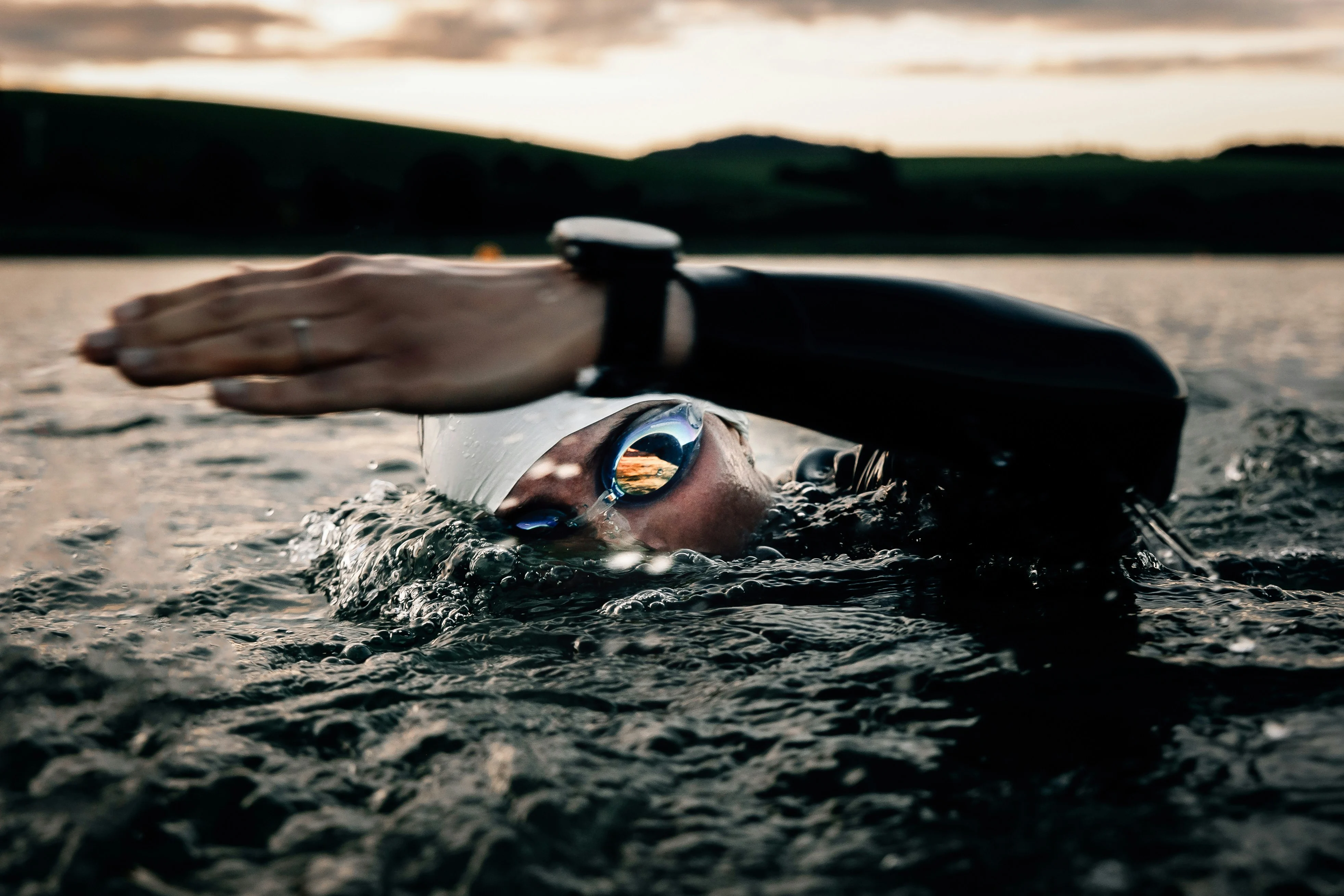
The Future of Swimming Tech: Suits, Sensors, and Data
From compression suits to wearables and biomechanics, see how modern technology is reshaping how swimmers train, measure, and improve in the water.
Technology has quietly changed almost every sport, and swimming is no exception. Smarter materials, wearable electronics, and data analysis are no longer reserved for elite teams. They are becoming everyday tools that help any swimmer understand and improve performance.
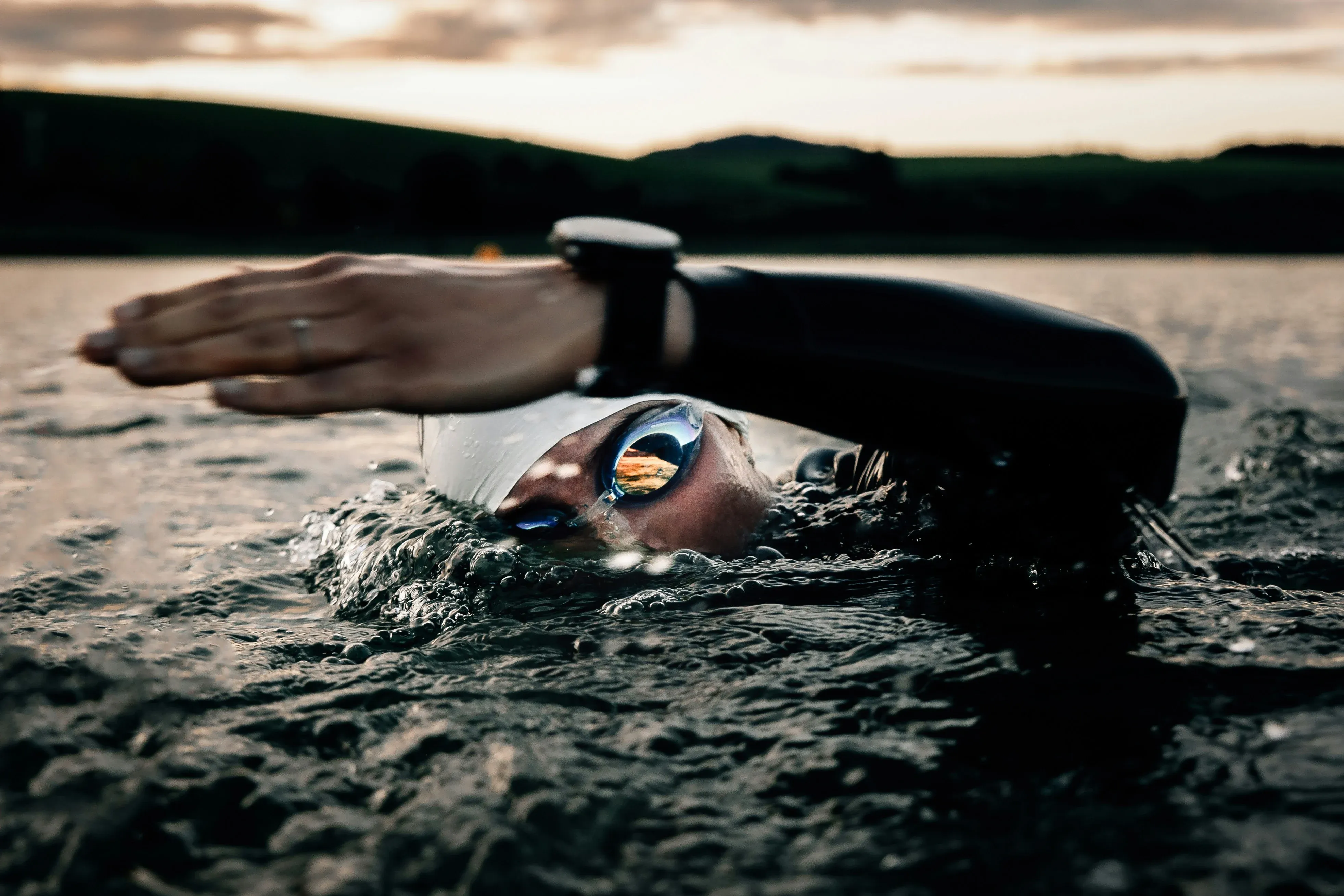
Modern Swimsuits
High-end racing suits use advanced fabrics that reduce drag and translate directly into faster times. Compression designs support blood flow and help muscles stay fresh over a long set. The materials are engineered to cut friction and add a touch of buoyancy. The arrival of Fastskin technology was a turning point, and it triggered a wave of innovation across competitive swimwear.
Wearables in the Water
Sports watches from brands like Garmin, Suunto, and Polar brought lab-style metrics to the pool deck. Heart rate, pace, lap counts, and stroke length are now tracked automatically, so swimmers can see progress in real time and adjust their plan instead of guessing.
Rhythm tools sit naturally in this category. A programmable tempo trainer like VimoSwim gives audio, haptic, and visual cues that help you hold a target stroke rate and pace through an entire workout. With Bluetooth and upgradable firmware, it keeps improving over time, and you can review your data afterward to see whether your cadence held when fatigue set in.
Data and Biomechanics
Video and software now make it possible to study a stroke in detail. Underwater cameras reveal exactly where technique breaks down, which means errors can be corrected on the spot. Algorithms process the footage and the sensor data so coaches and swimmers can refine each phase of the stroke rather than relying on feel alone.
The Question of Technological Doping
More performance from equipment raises a fair question about where the line sits. The polyurethane suits that delivered outsized advantages sparked a long debate about fairness, and in 2010 FINA banned them. It is a useful reminder that technology should support good swimming, not replace the work behind it.
What Comes Next
Expect the tools to get more personal. Augmented reality and continuous biometric monitoring could tailor training to each swimmer with far greater precision, building sessions around your real recovery, rhythm, and technique instead of generic plans.
The Takeaway
Technology is reshaping swimming on every front, from suits to analysis to live feedback. The best results still come when these tools serve sound technique and consistent training. Used that way, a watch, a camera, or a tempo trainer becomes a coach in your corner rather than a shortcut.
Curious how a dedicated rhythm device compares to the classic option? See our breakdown of VimoSwim vs Finis.
Swim to a Better Rhythm
Be among the first to train with Vimo.
How to Start Swimming: A Simple Guide for Beginners
New to swimming? Follow six beginner-friendly steps, from picking a pool to breathing and building a steady, calm rhythm in the water.
Pool vs Open Water Swimming: The Key Differences
Pool or open water? Compare technique, navigation, mindset, and gear, and learn how holding a steady rhythm carries over between both worlds of swimming.