
The Amateur Swimmer's Diet: How to Eat for Better Training
A practical nutrition guide for amateur swimmers covering balanced meals, pre and post workout fuel, hydration, and smart supplementation.
Swimming is one of the most complete and demanding sports there is. Even at an amateur level, training in the water asks a lot of your body, and that effort needs the right support on your plate. Eat well and you give yourself a real chance to feel stronger in every session and recover faster between them. Here are the principles I share most often with the swimmers I coach.
A Balanced Diet Is the Foundation
No matter how fast or slow you are, balanced nutrition sits underneath everything else. Aim to build your meals around three core groups:
- Protein. This is what your muscles use to rebuild after a hard set. Lean meat, fish, eggs, dairy, and legumes are all reliable sources.
- Carbohydrates. Your body's main fuel, and the first thing it reaches for during an intense workout. Favour whole grains, fruit, vegetables, and groats over refined options.
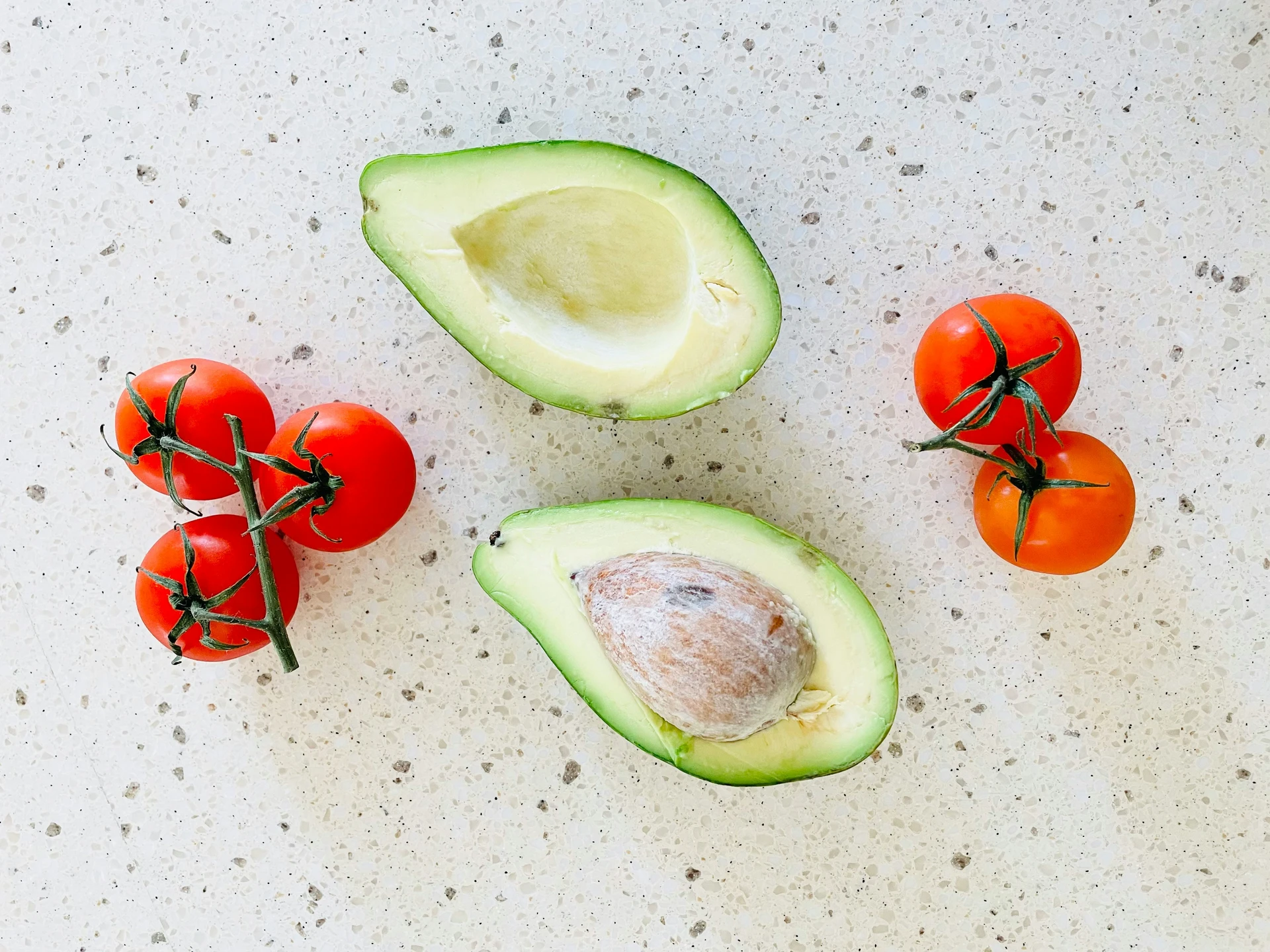
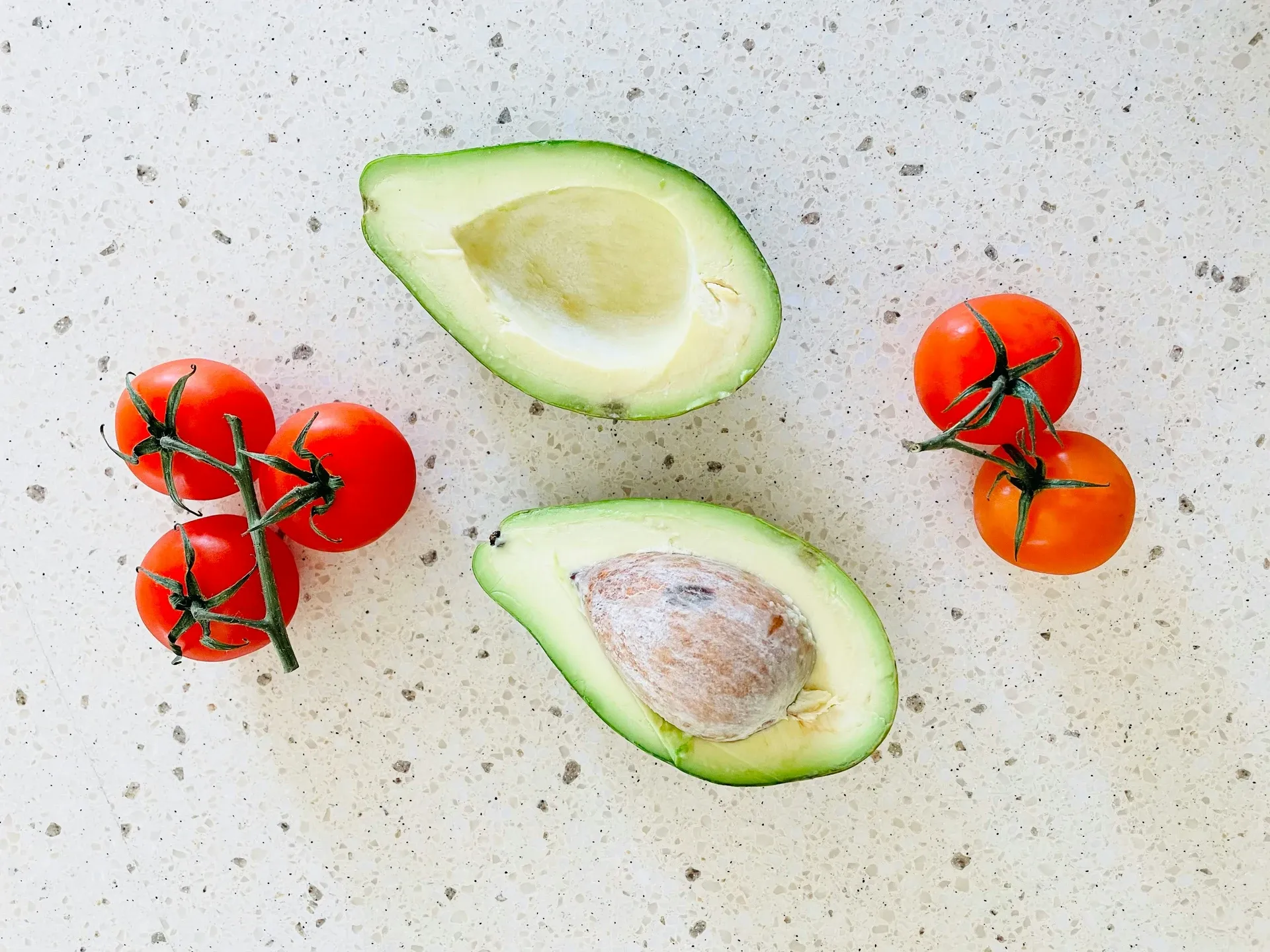
- Fats. Healthy fats keep your body running properly and should make up roughly 25 to 30 percent of your diet. Good choices include nuts, seeds, avocado, olive oil, and oily fish.
What to Eat Before You Swim
The meal before training has a surprising effect on how you feel in the water. Where you can, eat two to three hours before your session and include:
- Complex carbohydrates for steady, slow release energy. A whole-grain sandwich with lean meat or a bowl of porridge with fruit works well.
- A little protein to help your energy last and to look after your muscles. Natural yoghurt with nuts or soft-boiled eggs are easy options.
If a full meal isn't realistic, a light snack about an hour beforehand will do the job. A banana, a handful of dried fruit, or a yoghurt-based smoothie are all enough to top you up without weighing you down.
Don't Forget Hydration
It feels strange to talk about drinking water when you're surrounded by it, but hydration is one of the most overlooked parts of a swimmer's routine. Even mild dehydration can drag down your performance and leave you feeling flat. Drink water steadily across the whole day rather than gulping it just before you dive in. Keep sugary drinks to a minimum, and go easy on coffee, since it can work against your hydration rather than help it.
Recovery After a Session
A demanding swim leaves your muscles in need of repair, and the meal afterwards is where that repair gets its raw materials. A good post-workout plate brings together:
- Protein to rebuild and strengthen muscle. Grilled chicken breast, fish, or a protein shake all fit.
- Carbohydrates to refill the glycogen your muscles burned through. Whole-grain rice, groats, or root vegetables are solid picks.
- Vegetables and fruit for the vitamins and minerals that support recovery and keep you healthy overall.
Do You Actually Need Supplements?
For most amateur swimmers, a well-planned diet covers your needs without any extras. That said, a few supplements can earn their place in specific situations:
- Omega-3. Supports heart health and has anti-inflammatory benefits. Worth considering if oily fish rarely makes it onto your plate.
- Vitamin D. Especially useful through autumn and winter when daylight is scarce. It supports your bones and immune system.
- Electrolytes. For long or very intense sessions, replacing electrolytes helps you stay properly hydrated.
Consistency and Variety Win
If there's one secret to a swimmer's diet, it's that consistency and variety beat any single perfect meal. Try to eat at regular times and keep your meals varied across the week. That habit gives your body the full range of nutrients it needs and keeps your energy high for every session.
Putting It All Together
An amateur swimmer's diet doesn't need to be complicated. It just needs to be balanced enough to support your training and your recovery. What you eat shows up directly in how you move through the water, so it's worth getting right. Look after your nutrition and you'll notice the difference at the pool and in your everyday energy too.
Every body is a little different, so treat this as a starting point. Experiment, pay attention to how you respond, and adjust as you go. If you're unsure, a dietitian can help you build a plan that fits your lifestyle and your goals.
See you at the pool, full of energy and ready for the next challenge.
Want to put smart fuelling alongside smarter training? Reserve yours and help us shape a swim trainer built for swimmers like you.
Swim to a Better Rhythm
Be among the first to train with Vimo.
Pool vs Open Water Swimming: The Key Differences
Pool or open water? Compare technique, navigation, mindset, and gear, and learn how holding a steady rhythm carries over between both worlds of swimming.
What Professional Swimmers Eat: Diet and Performance
How professional swimmers fuel for performance: the carbs, protein, fats, and timing behind faster training and stronger recovery in the pool.