
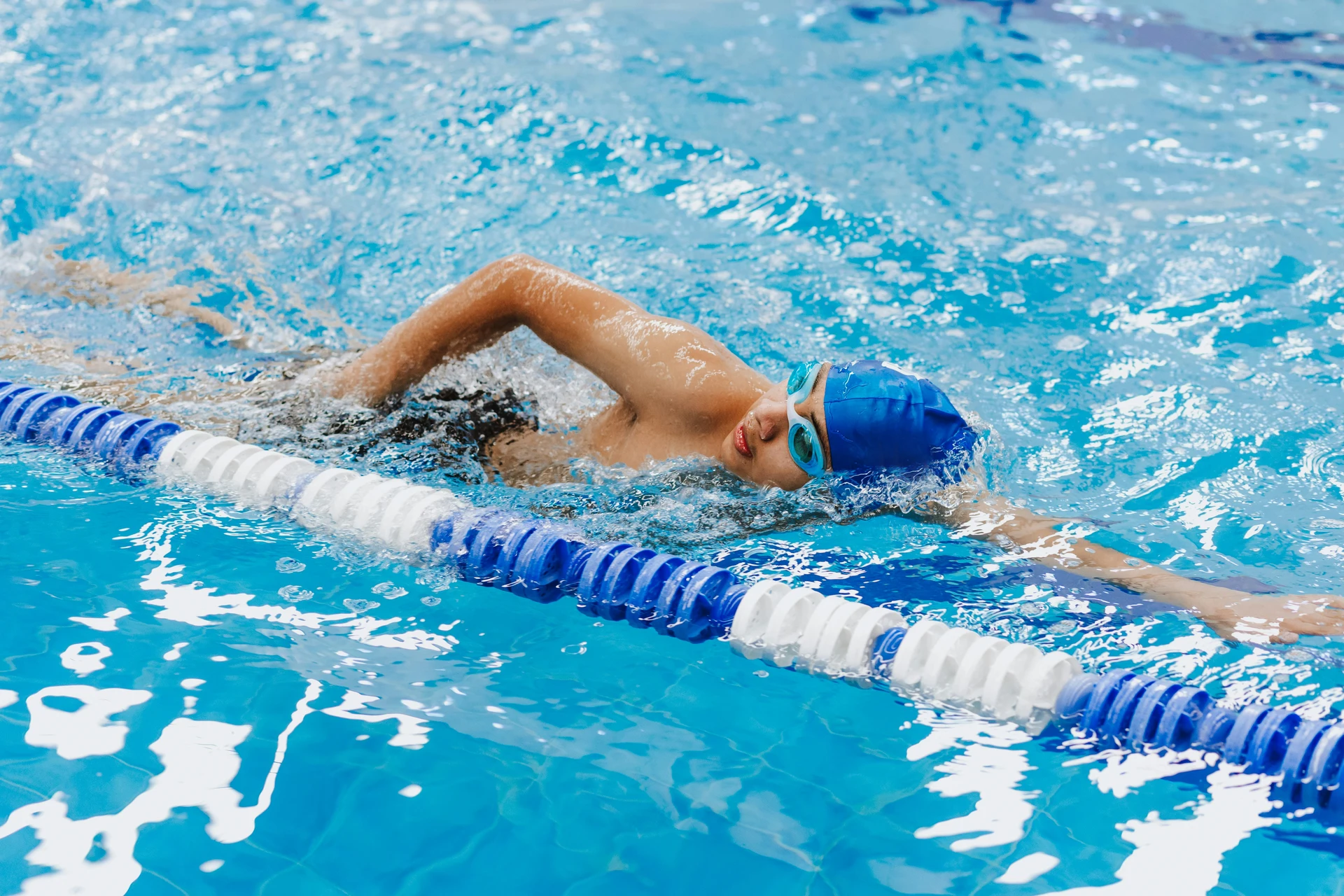
Freestyle in the Total Immersion Method: A Detailed Guide
A clear guide to freestyle in the Total Immersion method, with the core principles, key concepts, and drills that help you swim smoother and easier.
Freestyle is the stroke most swimmers reach for, and it dominates competitive swimming and triathlon. The Total Immersion method approaches it differently from the traditional "pull harder, kick faster" mindset. Instead, it builds the stroke around fluidity, efficiency, and a calm economy of effort. Below I walk through how we teach freestyle the Total Immersion way, the drills we use, and the concepts that make the whole method click.
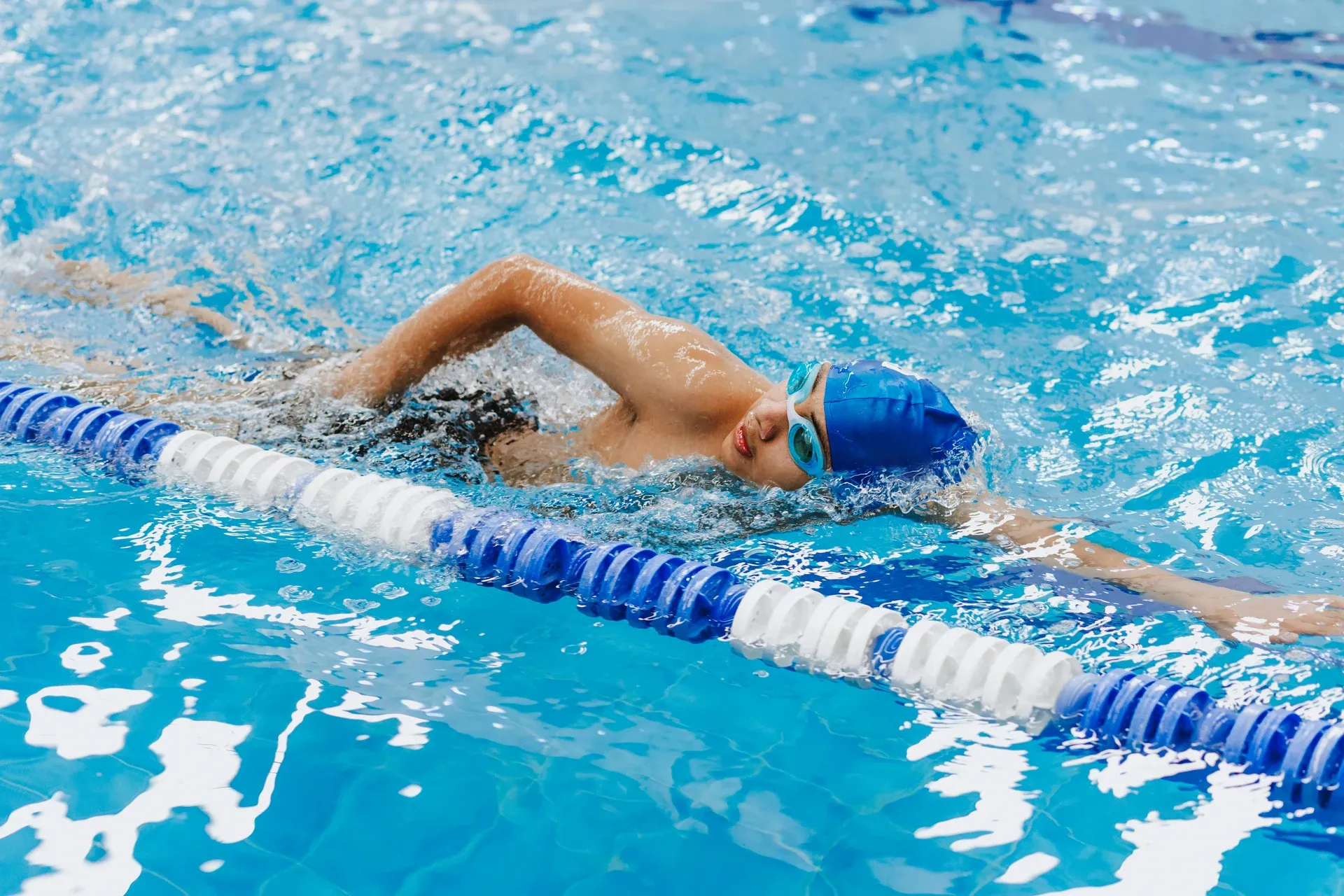
Core Principles of Freestyle in Total Immersion
In Total Immersion, freestyle is a sequence of smooth, synchronized movements built to cut drag and stretch every unit of energy as far as it will go. Three principles sit at the center.
- Balance. Holding your body in balance is the foundation of the whole stroke. When you are balanced, you create less drag and stop wasting effort just to stay level in the water.
- Streamline. The aim is the most hydrodynamic shape your body can hold. In Total Immersion that means keeping head, spine, and legs in one clean line so you slip forward rather than plow through.
- Hip-driven propulsion. Power comes from the hips, not only the arms and legs. Hip movement drives body rotation, and that rotation turns into strokes that are both stronger and more relaxed.
Key Concepts in Total Immersion
A handful of concepts give you the vocabulary and the feel you need to execute the technique correctly.
- Superman Glide. A foundational balance drill. You lie face down, arms extended forward, head submerged, legs floating freely. The point is to feel how your body settles naturally in the water and how little drag you can create.
- Fish Drill. This teaches the streamlined, on-your-side position. You lie on one side, one arm extended forward, the other along the body, head neutral. It shows you how to keep a straight body line through rotation and how to use hip-driven propulsion.
- Skating Position. A setup for alternating arm strokes. One arm reaches forward while the body rotates to roughly 45 degrees. It trains you to stay balanced as you move from one stroke into the next.
- Mail Slot Entry. A way of placing the hand into the water. The hand slides in as if through a "mail slot," fingers angled down and slightly out, so the entry stays streamlined and your balance is not disturbed.
- Patient Arm. One arm always stays extended in front of the body while the other completes its stroke. The lead arm "waits" in the water until the working arm finishes, which keeps propulsion continuous and the stroke fluid.
Drills Used in Total Immersion
Learning freestyle in Total Immersion runs through a sequence of drills that build skill step by step. Here are the key ones.
- Superman Glide. The starting point. You learn how the body floats and how to hold balance with minimal drag. Everything that follows is built on this feeling of simply lying on the water.
- Fish Drill. Once Superman Glide feels natural, you move here to refine the streamlined position. You practice balance and control over rotation, both essential for an effective stroke.
- Skating Position Drill. Now you learn to move from one streamlined position to another while staying balanced and low-drag. It is often done with one arm forward and the other along the body.
- Zenkai Drill. This blends Fish Drill and Skating Position. You practice alternating arm movements while holding balance and keeping the hips driving the rotation.
- Mail Slot Entry Drill. Focused on a clean hand entry that keeps drag low and the stroke fluid. You learn to place the hand gently and efficiently instead of slapping it in and tiring yourself out.
- Patient Arm Drill. This develops arm coordination. One arm stays extended while the other strokes, so propulsion and balance stay steady throughout.
Where Rhythm Fits In
Technique gives you a better stroke. Rhythm is what lets you repeat that stroke, length after length, without it falling apart. As fatigue creeps in, stroke rate is usually the first thing to drift, and a drifting tempo quietly undoes the efficiency you just built. This is where a tool like VimoSwim earns its place. A programmable tempo trainer gives you a steady audio, haptic, and visual cue to swim to, so you can lock in a stroke rate and feel exactly how a small change in tempo affects your stroke count per length. Once your Total Immersion form is solid, holding a consistent rhythm is how you make it stick.
Benefits of Freestyle in Total Immersion
The method pays off for swimmers at every level.
- Energy efficiency. You learn to conserve energy, which lets you swim farther before fatigue sets in.
- Fluid movement. Drills like Mail Slot Entry and Patient Arm teach you to move through the water with maximum smoothness and minimal drag.
- Injury prevention. A focus on balance, controlled rotation, and hip-driven propulsion lowers the risk of injuries that come from straining or from poor technique.
- Versatility. The approach suits both recreational swimmers and athletes preparing for triathlon or competition.
Summary
Learning freestyle with Total Immersion is a gradual process that introduces you to smooth, relaxed, efficient movement. Working through the drills in sequence and understanding the key concepts, you sharpen your technique, cut your drag, and start to enjoy swimming on a new level. Total Immersion is more than a set of techniques. It is a way of swimming that helps you use your body's full potential and find a genuine harmony with the water.
Once your stroke feels efficient, the next step is putting numbers to it. Try the pace calculator to turn your stroke rate and distance into a target pace you can actually train toward.
Swim to a Better Rhythm
Be among the first to train with Vimo.
Paweł Lewicki: From English Teacher to TI Coach
An interview with Paweł Lewicki — Vimo's first ambassador, Total Immersion pioneer in Poland, and a coach trained directly by Terry Laughlin in 2003.
Three Swimming Styles in Total Immersion: How the Approach Differs
How Total Immersion adapts to backstroke, breaststroke, and butterfly, with a focus on fluidity, rhythm, and movement economy in each stroke.